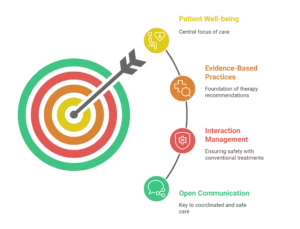
Integrative oncology support principles: patient well-being, evidence-based practices, interaction management and open communication

What is Integrative Oncology Support?

A cancer diagnosis changes everything. Between specialist appointments, treatment cycles and scan results, many people find themselves asking: what can I do to support my own body through this? Integrative oncology support exists to answer that question — safely, scientifically, and in partnership with your oncology team.

A patient-centred, evidence-informed approach

The Society for Integrative Oncology (SIO) defines integrative oncology as a patient-centred, evidence-informed field of cancer care that utilises mind–body practices, natural products and lifestyle modification alongside conventional cancer treatments. Its aim is to optimise health, quality of life and clinical outcomes across the cancer care continuum — and to empower people to become active participants in their own care before, during and beyond treatment.

The key word is alongside. Integrative oncology support is not an alternative to surgery, chemotherapy, radiotherapy, immunotherapy or hormone therapy. It is the supportive layer of care that helps your body cope with and recover from these treatments — addressing the nutritional, metabolic, physical and emotional demands that cancer and its treatment place on you.

Why supportive care matters

Conventional oncology is highly effective at targeting cancer, but the system is not always resourced to address the wider toll of treatment: fatigue that persists for months, digestive disturbance, taste changes and appetite loss, muscle loss (sarcopenia), peripheral neuropathy, sleep disruption, brain fog, anxiety and the metabolic after-effects of therapy. These are precisely the areas where evidence-informed integrative support can make a meaningful difference to how well you tolerate treatment and how fully you recover.

Joint clinical practice guidelines developed by the Society for Integrative Oncology and the American Society of Clinical Oncology (ASCO) now support the use of selected integrative therapies for the management of cancer-related pain, anxiety, depression and fatigue — a clear signal that this field has moved firmly into evidence-based territory.

What an Integrative Oncology Support Practitioner does

As an Integrative Oncology Support Practitioner, my role is to work with you — and alongside your oncology team — across the whole arc of your cancer journey:

Nutritional support. Maintaining nutritional status through treatment is one of the strongest predictors of treatment tolerance and recovery. Support includes protecting lean muscle mass, managing appetite and taste changes, supporting the gut through chemotherapy and radiotherapy, and building an eating pattern that supports immune function and energy.

Managing treatment side-effects. Evidence-informed nutritional, herbal and lifestyle strategies to help manage fatigue, nausea, mucositis, disturbed sleep, peripheral neuropathy and other common side-effects — always selected and timed with your specific treatment protocol in mind.

Supplement and herb–drug interaction screening. This is one of the most important safety services an integrative practitioner provides. Many natural products can interact with chemotherapy agents, targeted therapies and radiotherapy — some should be avoided entirely during treatment windows. I review everything you are taking, screen it against your treatment protocol using interaction databases and the current research literature, and ensure your oncology team has full visibility.

Mind–body and stress support. Anxiety, low mood and stress are near-universal companions of a cancer diagnosis. Mind–body practices, breathing techniques, sleep support and structured lifestyle rhythms carry good evidence for improving quality of life during treatment.

Movement and exercise guidance. Appropriate exercise is one of the best-evidenced supportive interventions in oncology, with demonstrated benefits for cancer-related fatigue, mood, treatment tolerance and long-term outcomes. As a registered fitness professional, I tailor movement to your treatment stage, energy and capacity.

Survivorship and recovery. When treatment ends, the work of rebuilding begins: restoring energy and resilience, supporting metabolic and immune health, addressing lingering side-effects, and reducing modifiable risk factors — all built into a sustainable long-term plan.

Safety and collaboration first
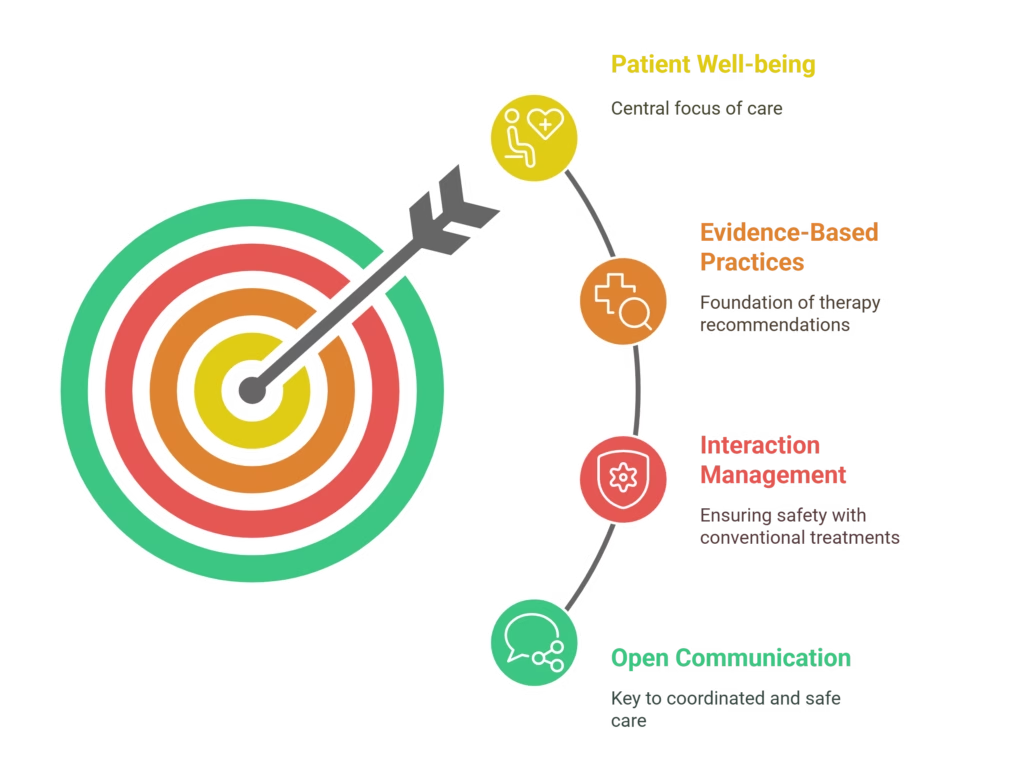
Integrative oncology support principles: patient well-being, evidence-based practices, interaction management and open communication

Integrative oncology support done properly is conservative, transparent and collaborative. In practice, that means:

  • Nothing is recommended that conflicts with your conventional treatment; timing around chemotherapy and radiotherapy windows is strictly respected.
  • Your oncology team and GP are kept informed — I work alongside them, never around them.
  • Recommendations are evidence-informed, drawn from the current research literature and international guidelines, and adjusted as your treatment and circumstances change.

Who is this for?

Integrative oncology support can be valuable at any stage: those newly diagnosed who want to prepare their body for treatment; those in active treatment seeking better tolerance and fewer side-effects; those who have completed treatment and want a structured recovery and risk-reduction plan; and family members supporting a loved one through the journey.

Working with me

I am a registered Naturopathic Practitioner, Clinical Nutritionist, Medical Herbalist, Health Coach and fitness professional with more than 25 years in the health industry, and integrative oncology support is a special focus of my clinical work. Consultations are available in-clinic in Christchurch (Mondays and Fridays) and by phone or online for those elsewhere in New Zealand or internationally.

If you or a loved one are navigating a cancer diagnosis and would like informed, evidence-based support alongside your medical treatment, I would be honoured to help. A brief discovery call is a good place to start — it costs nothing and lets us establish whether this support is right for you.


Book a Consultation | Contact

Close-up of a woman applying white moisturising cream to the back of her hand in soft natural light

Why Eczema Keeps Coming Back, and What the Steroid Cream Never Addresses

If you live with eczema, you will know the cycle without anyone having to describe it. A flare appears. The cream goes on. Within a few days, the redness fades, the itch settles, and the skin calms. Relief arrives, and with it the quiet assumption that the problem has been dealt with. Then, weeks or months later, the flare returns, often in the same place and often a little more stubborn than before. Out comes the cream again, and the cycle repeats.

If that pattern feels familiar, you are not doing anything wrong. You have simply been handed a tool that does one thing extremely well, while being told, implicitly, that it does something else entirely.

What the cream actually does

Topical corticosteroids suppress the local immune and inflammatory response in the skin. They are, by design, an off-switch for the visible symptom. Applied to an active flare, they quieten the inflammatory signalling that produces redness, swelling, and the maddening urge to scratch. For acute relief, they work, and there are situations where calming a severe flare quickly is the right and humane thing to do.

What they do not do is address why the flare occurred in the first place. This is not a fringe claim. The prevailing medical model openly describes eczema, or atopic dermatitis, as a chronic, relapsing condition to be controlled rather than resolved. The language is honest about the goal: management, not cure. The difficulty is that “controlled” and “cured” can look identical from the outside, and that is where a great deal of confusion begins.

The skin is the messenger, not the problem

The reframe that changes everything is this: the skin is not the problem; the skin is the messenger.

From an integrative perspective, eczema is a surface expression of an internal imbalance, and the most consistent, well-evidenced driver is the gut-skin axis. The health of the intestinal lining, the diversity of the microbiome, and the integrity of the gut barrier are in constant dialogue with the immune system, which ultimately determines whether the skin is calm or inflamed. Around that central axis sit a number of individual, modifiable drivers, including food sensitivities, histamine intolerance, micronutrient status such as zinc, vitamin D, and essential fatty acids, the stress response, and the composition of both the gut and skin microbiomes.

Some of the most overlooked triggers are also the closest to home. The chlorinated water people shower in, and the residues left in clothing and bedding by laundry products are both well-recognised sources of skin irritation, and in my clinical experience, they are missed far more often than they should be. A “sensitive” or “eco” label, it turns out, is no guarantee of a non-reactive formulation.

A different goal: resolution, not indefinite control

When the question shifts from “how do we suppress this flare” to “why is this person’s system producing flares,” the entire approach changes. The work becomes identifying and removing the specific triggers, restoring the integrity and diversity of the gut, replenishing the nutrients the skin depends on to repair its own barrier, and supporting the nervous system that quietly governs inflammation.

This is slower than a cream, and it asks more of the person. But it works with the body’s own capacity to heal rather than overriding the signal it is trying to send, and it aims at something the suppression model never sets out to measure: durable resolution and resilient skin.

Read the full article

I have explored all of this in depth, including what the long-term research actually shows about eczema “clearing,” the costs of suppressing without resolving, and where the newer biologic and JAK-inhibitor treatments fit, in my latest article for Brainz Magazine:

More Than Skin Deep: Why Eczema Keeps Coming Back, and What the Steroid Cream Never Addresses

A note on your current treatment

It is not within my scope of practice to advise you to cease any prescribed or pharmacy medication, including topical corticosteroids. If you have been using a steroid cream regularly and wish to reduce it, please do so with appropriate guidance, as stopping abruptly after prolonged use can provoke a significant rebound. This article is for educational purposes only and does not constitute medical advice.

If something deeper feels like it is driving your symptoms, and you have not yet found the answers, I would welcome the opportunity to explore whether we are the right fit to work together. You can learn more about my approach and book a consultation at stephenroigard.com.

Wishing you well on this next chapter of your health journey.

Stephen Roigard Registered Naturopath, Clinical Nutritionist, Medical Herbalist & Health Coach

Rethinking Health: Why Prevention is the New Cure

I was honoured to share this message with Brainz Magazine. You can explore the original article here.

For too long, the modern healthcare system (or perhaps more accurately, the ‘sick’ care system) has been built on a reactive model—waiting until illness strikes before intervening. This approach has undoubtedly brought remarkable advances in emergency medicine and acute care, saving countless lives in moments of crisis. Yet, when it comes to the chronic health challenges of our time—heart disease, diabetes, cancer, obesity, autoimmune conditions, and mental health struggles—this model often leaves us managing disease rather than creating health.

A new way forward is emerging. By focusing on prevention, resilience, and the daily choices that shape our wellbeing, we have an opportunity not only to live longer, but to live better.


The True Story of Lifespan & Healthspan

There is a widespread belief that humans today live far longer than our ancestors. In truth, average life expectancy in palaeolithic times was low because of high childhood mortality and risks during childbirth. But if an individual survived early life, they often lived long, active, and remarkably healthy lives—free from the chronic illnesses that are so common today.

Thanks to modern medicine, infant and maternal deaths are now much rarer, and overall lifespan has increased dramatically. Yet our healthspan—the number of years lived free from disease and disability—has not kept pace. Many people now spend a decade or more in the later stages of life managing multiple chronic conditions.

The lesson is clear: while many more human beings are living longer, too often we are not living well. The real challenge is not just to extend lifespan, but to extend healthspan.


Prevention as Empowerment

The good news is that prevention offers a path forward—one that empowers individuals, families, and communities to take ownership of health long before illness appears.

  • Lifestyle as medicine – Nourishing food, movement, rest, and mindfulness are not small extras; they are the foundations of vibrant health. A nutrient-dense diet, restorative sleep, daily activity, and stress-reduction practices like meditation can profoundly shift our biology in a positive direction.
  • Personalised and proactive care – Advances in functional and integrative medicine now allow us to detect imbalances early and tailor strategies to individual needs. From genetic testing to microbiome analysis to wearable technology, we have unprecedented tools to understand and optimise our own physiology.
  • From patient to participant – True prevention reframes health as a partnership. Instead of waiting for a prescription, individuals can become active participants in shaping their wellbeing and building resilience.

A Smarter Investment

Investing in prevention is not only better for people—it is smarter for society. Chronic disease accounts for more than 70% of global deaths and consumes the majority of sickcare spending. Yet research shows that every dollar spent on prevention returns multiple dollars in reduced medical costs and improved productivity.

Forward-thinking organisations are already recognising that wellbeing is not a luxury; it is a driver of creativity, resilience, and sustainable success.


A Culture of Health Creation

Imagine a world where prevention is woven into everyday life:

  • Schools that teach children not only how to read and write, but also how to nourish their bodies and calm their minds – Japan already incorporates this in their school system.
  • Workplaces that view health as a foundation for performance, making movement, rest, and psychological safety part of the culture.
  • Communities and cities designed to encourage fresh air, movement, and connection with nature.

Prevention is not about restriction—it is about creating the conditions for people to thrive.


Redefining Success in Healthcare

Success should no longer be measured only by how long we live, but by how well we live. Medicine will always play a vital role, but prevention allows us to shift the balance—from treating disease to cultivating vitality.

The integration of modern medical advances with nutrition, lifestyle, and holistic care has the potential to reduce suffering while unlocking human potential on an extraordinary scale.


Final Thought

The most profound cure is the one we never need. By rethinking health through the lens of prevention, we can reclaim years of vitality that would otherwise be lost to illness.

Our ancestors remind us that healthspan matters as much as lifespan. Our modern tools remind us that prevention is within reach. Together, they point us toward a brighter future—one where living longer also means living well.


References

  1. World Health Organization. Noncommunicable Diseases. WHO Fact Sheet, 2023.
  2. Gurven M, Kaplan H. Longevity among hunter-gatherers: a cross-cultural examination. Population and Development Review. 2007.
  3. The Lancet Public Health. Global Burden of Disease Study 2019: healthspan vs lifespan. 2020.
  4. Harvard T.H. Chan School of Public Health. The Economics of Prevention. 2022.

What is Naturopathy?

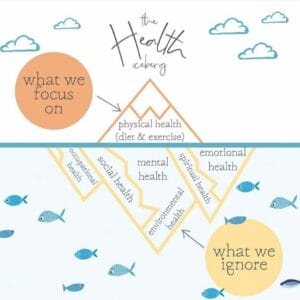
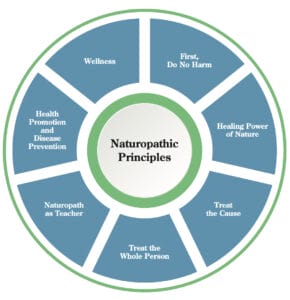
The naturopathic philosophy is to stimulate the healing power of the body and to treat the root cause of disease. For many patients, this difference in approach to health provides them with a new perspective and awareness. By addressing the root cause(s) of disease and through the appropriate use of natural therapies, many patients with … Read More

What can naturopathy do for me?

The naturopathic philosophy is to stimulate the healing power of the body and to treat the root cause of disease. For many patients, this difference in approach to health provides them with a new perspective and awareness. By addressing the root cause(s) of disease and through the appropriate use of natural therapies many patients with … Read More

Top five reasons you should visit a naturopath.

Naturopathy, which is a holistic approach to wellness, has long been known as nature’s gift to whole health and harmony. Most of us strive for optimum health and wellbeing. This usually means accessing the abundance of health services and products available at our fingertips. There is no doubt that traditional prescription medicines will always hold … Read More