A cancer diagnosis changes everything. Between specialist appointments, treatment cycles and scan results, many people find themselves asking: what can I do to support my own body through this? Integrative oncology support exists to answer that question — safely, scientifically, and in partnership with your oncology team.
A patient-centred, evidence-informed approach
The Society for Integrative Oncology (SIO) defines integrative oncology as a patient-centred, evidence-informed field of cancer care that utilises mind–body practices, natural products and lifestyle modification alongside conventional cancer treatments. Its aim is to optimise health, quality of life and clinical outcomes across the cancer care continuum — and to empower people to become active participants in their own care before, during and beyond treatment.
The key word is alongside. Integrative oncology support is not an alternative to surgery, chemotherapy, radiotherapy, immunotherapy or hormone therapy. It is the supportive layer of care that helps your body cope with and recover from these treatments — addressing the nutritional, metabolic, physical and emotional demands that cancer and its treatment place on you.
Why supportive care matters
Conventional oncology is highly effective at targeting cancer, but the system is not always resourced to address the wider toll of treatment: fatigue that persists for months, digestive disturbance, taste changes and appetite loss, muscle loss (sarcopenia), peripheral neuropathy, sleep disruption, brain fog, anxiety and the metabolic after-effects of therapy. These are precisely the areas where evidence-informed integrative support can make a meaningful difference to how well you tolerate treatment and how fully you recover.
Joint clinical practice guidelines developed by the Society for Integrative Oncology and the American Society of Clinical Oncology (ASCO) now support the use of selected integrative therapies for the management of cancer-related pain, anxiety, depression and fatigue — a clear signal that this field has moved firmly into evidence-based territory.
What an Integrative Oncology Support Practitioner does
As an Integrative Oncology Support Practitioner, my role is to work with you — and alongside your oncology team — across the whole arc of your cancer journey:
Nutritional support. Maintaining nutritional status through treatment is one of the strongest predictors of treatment tolerance and recovery. Support includes protecting lean muscle mass, managing appetite and taste changes, supporting the gut through chemotherapy and radiotherapy, and building an eating pattern that supports immune function and energy.
Managing treatment side-effects. Evidence-informed nutritional, herbal and lifestyle strategies to help manage fatigue, nausea, mucositis, disturbed sleep, peripheral neuropathy and other common side-effects — always selected and timed with your specific treatment protocol in mind.
Supplement and herb–drug interaction screening. This is one of the most important safety services an integrative practitioner provides. Many natural products can interact with chemotherapy agents, targeted therapies and radiotherapy — some should be avoided entirely during treatment windows. I review everything you are taking, screen it against your treatment protocol using interaction databases and the current research literature, and ensure your oncology team has full visibility.
Mind–body and stress support. Anxiety, low mood and stress are near-universal companions of a cancer diagnosis. Mind–body practices, breathing techniques, sleep support and structured lifestyle rhythms carry good evidence for improving quality of life during treatment.
Movement and exercise guidance. Appropriate exercise is one of the best-evidenced supportive interventions in oncology, with demonstrated benefits for cancer-related fatigue, mood, treatment tolerance and long-term outcomes. As a registered fitness professional, I tailor movement to your treatment stage, energy and capacity.
Survivorship and recovery. When treatment ends, the work of rebuilding begins: restoring energy and resilience, supporting metabolic and immune health, addressing lingering side-effects, and reducing modifiable risk factors — all built into a sustainable long-term plan.
Safety and collaboration first
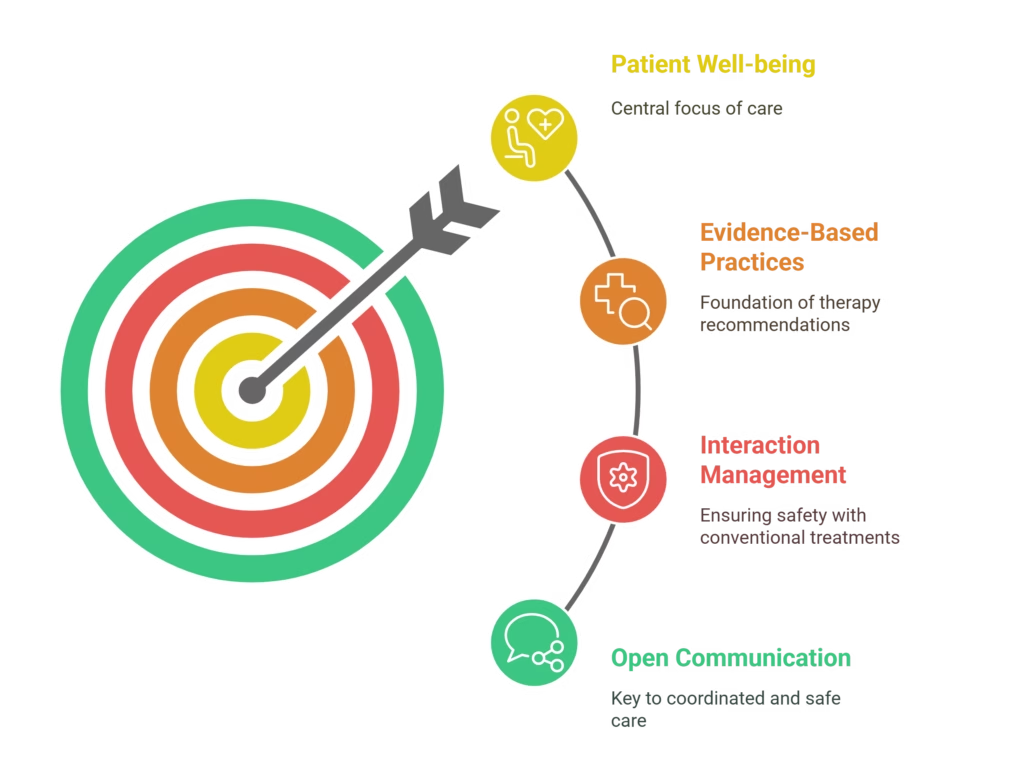
Integrative oncology support done properly is conservative, transparent and collaborative. In practice, that means:
- Nothing is recommended that conflicts with your conventional treatment; timing around chemotherapy and radiotherapy windows is strictly respected.
- Your oncology team and GP are kept informed — I work alongside them, never around them.
- Recommendations are evidence-informed, drawn from the current research literature and international guidelines, and adjusted as your treatment and circumstances change.
Who is this for?
Integrative oncology support can be valuable at any stage: those newly diagnosed who want to prepare their body for treatment; those in active treatment seeking better tolerance and fewer side-effects; those who have completed treatment and want a structured recovery and risk-reduction plan; and family members supporting a loved one through the journey.
Working with me
I am a registered Naturopathic Practitioner, Clinical Nutritionist, Medical Herbalist, Health Coach and fitness professional with more than 25 years in the health industry, and integrative oncology support is a special focus of my clinical work. Consultations are available in-clinic in Christchurch (Mondays and Fridays) and by phone or online for those elsewhere in New Zealand or internationally.
If you or a loved one are navigating a cancer diagnosis and would like informed, evidence-based support alongside your medical treatment, I would be honoured to help. A brief discovery call is a good place to start — it costs nothing and lets us establish whether this support is right for you.